
職人 (shokunin): Japanese craftsmen who manufacture products, particularly Japanese traditional artworks, with their own hands using the skills they have acquired or have received from their previous generations.
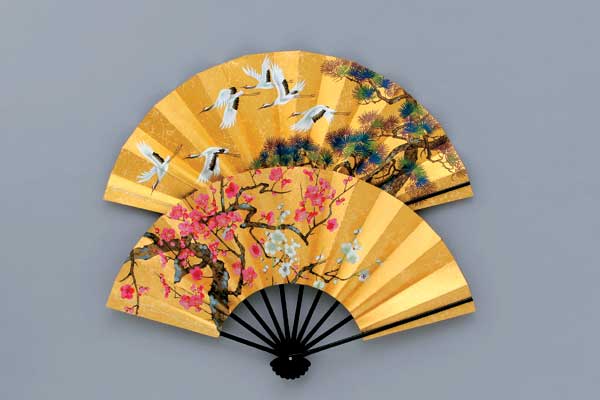
Let’s say you’re on your holiday in Kyoto and walked into a Japanese souvenir store selling traditional crafts. You’re looking for something for your friend back home. You come across a fan, made with gold paper and has a painting of Japanese cranes on it. It looks authentic and most importantly, within the budget. You leave the store, push the fan into the bottom of your bag and go onto eat a matcha ice cream. “I’m so cultured,” you think to yourself.
This is my story from a few years ago. When I walked away from the gift store, I had simply bought the fan for the sake of getting a fan – without any sense of appreciation of the evolution of art or support for those who made them. And this is what most of whom come to Japan do.
What made me realise the significance of understanding the process of manufacturing Japanese crafts was a simple sentence my best friend from Japan, who is a fashion designer of her own brand, had said. (I will write more in depth about her in another article)
“To appreciate the work of Leonardo da Vinci is not simply to look at his painting in a museum but to learn about his thought process, preparations, and steps taken for him to draw the painting itself.”
BEBI
And suddenly, I was remembering all the Japanese artworks and cultural materials that I had superficially acknowledged, bought, and represented without having the thorough recognition of them. And it was then that I realised my perception of Japanese art and traditional culture had to grow – and that I must act to cultivate yours too.
Flashlight Shokunin is established to highlight the obscured practice of Japanese Shokunin (craftsmen) who have silently and diligently made the Japanese artworks which we have all taken back to our friends. It will also report and support the less renowned works of Shokunin in minor fields of Japanese artisanship so that those Shokunin can pass on their talent and tradition to the next generation. And so that when you walk into a souvenir store the next time you will recognise their work and soul.
 Nippon with Fuko